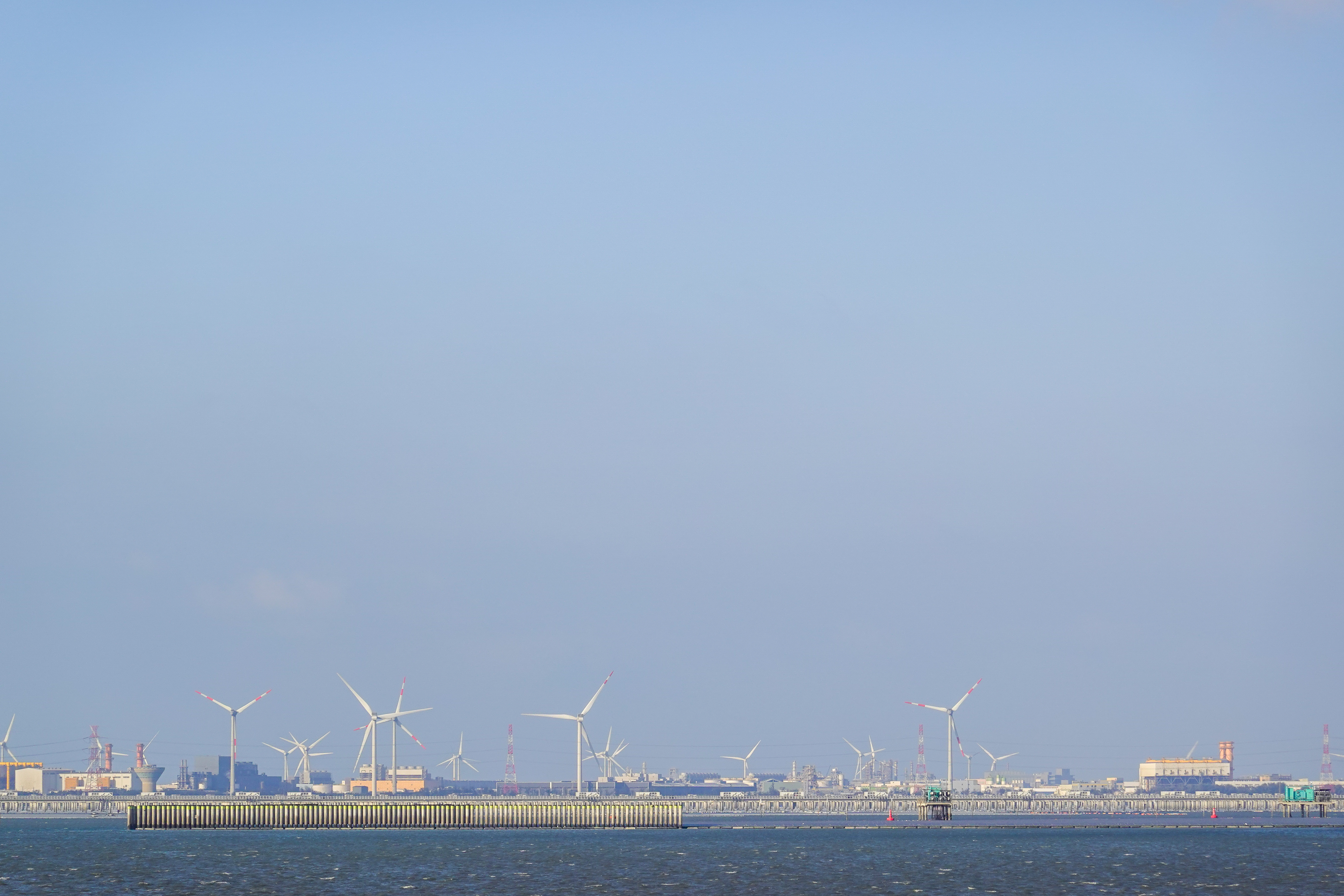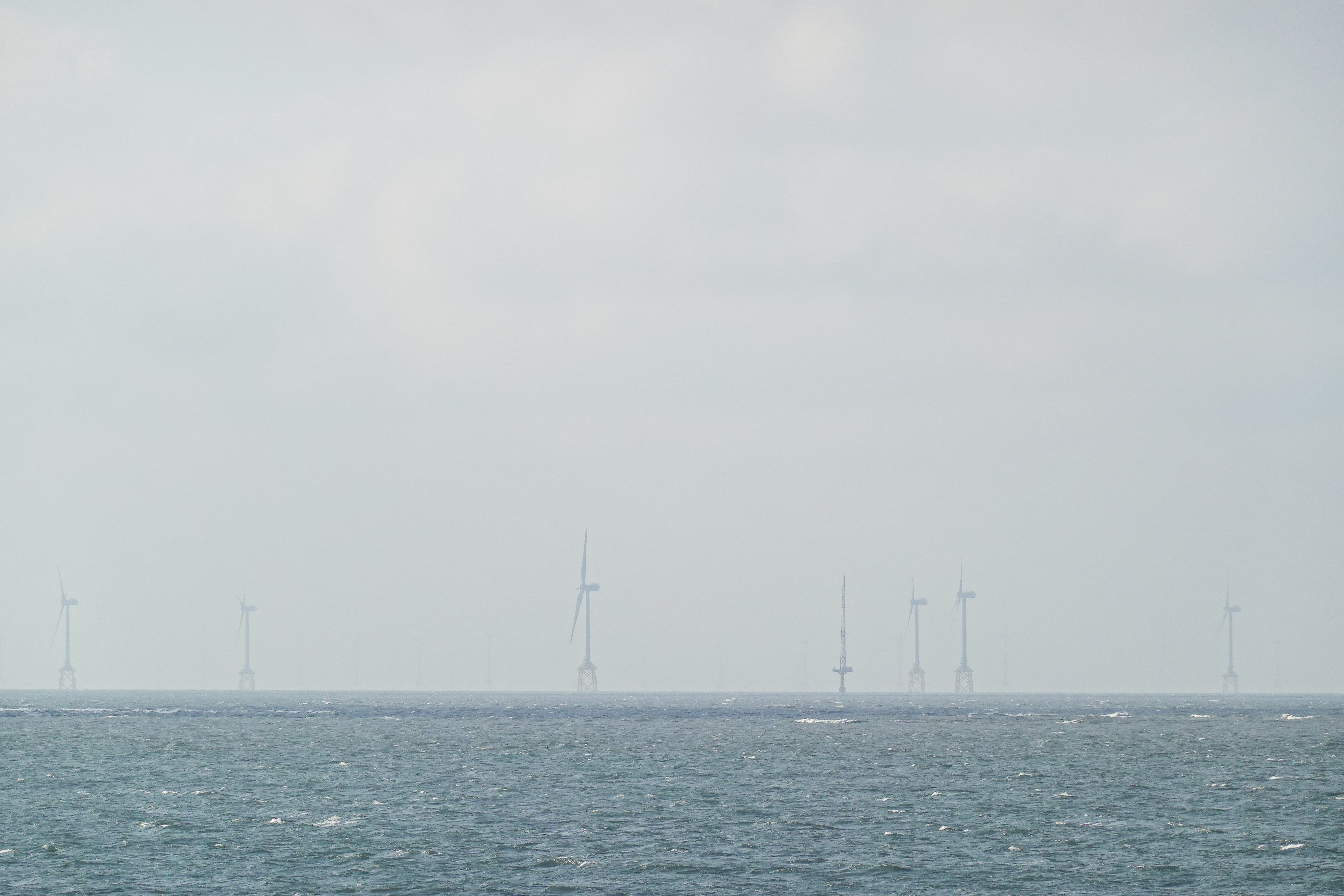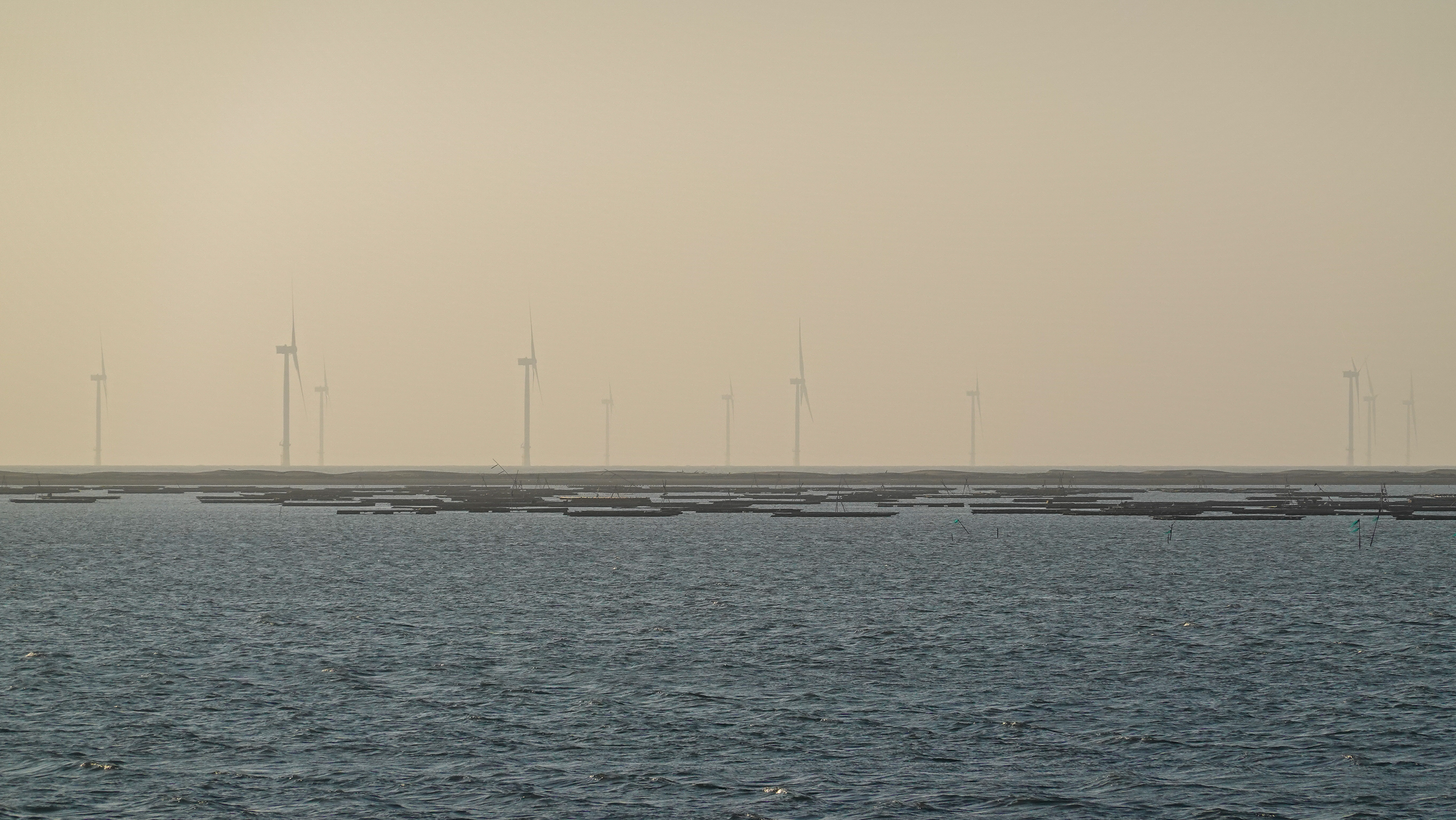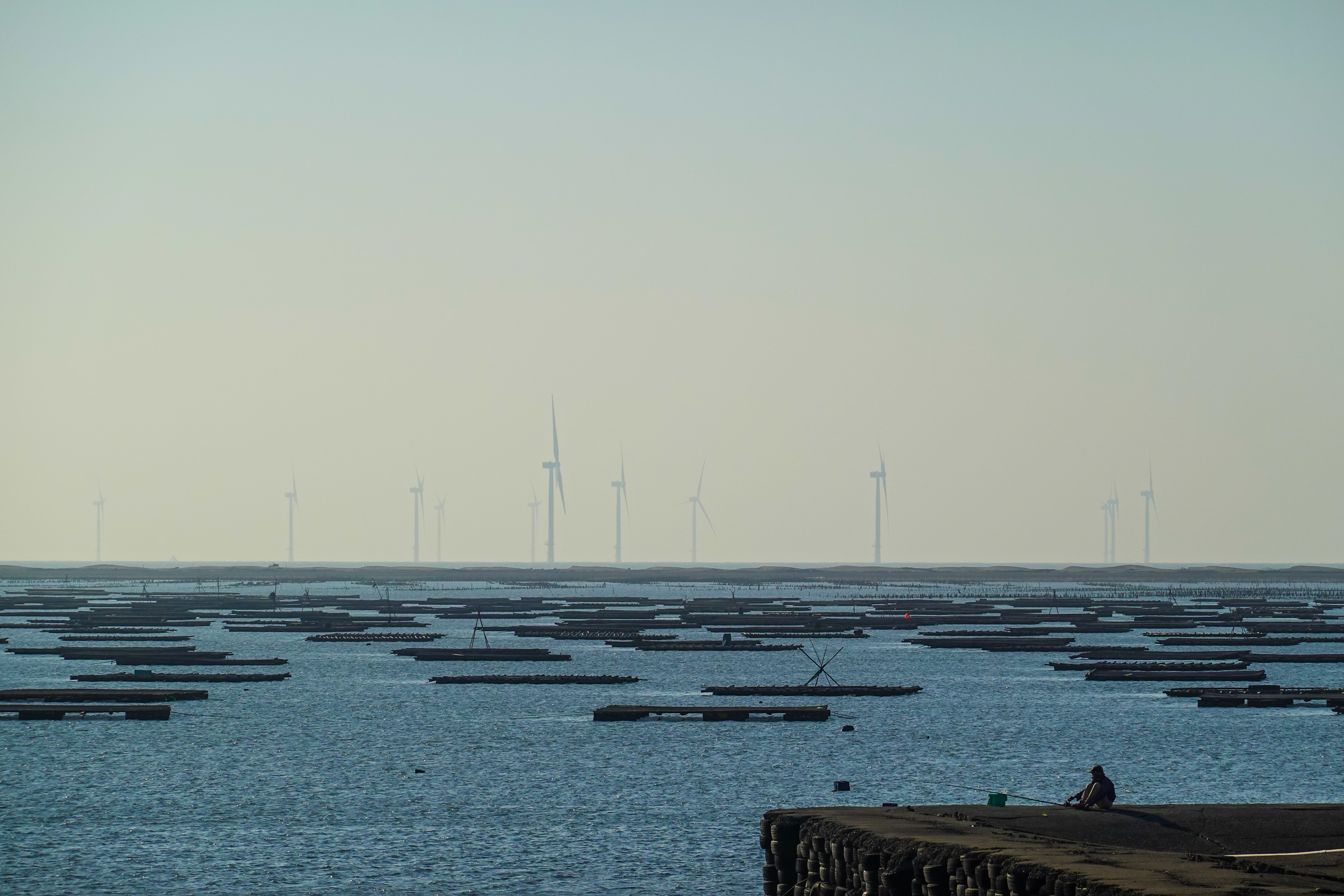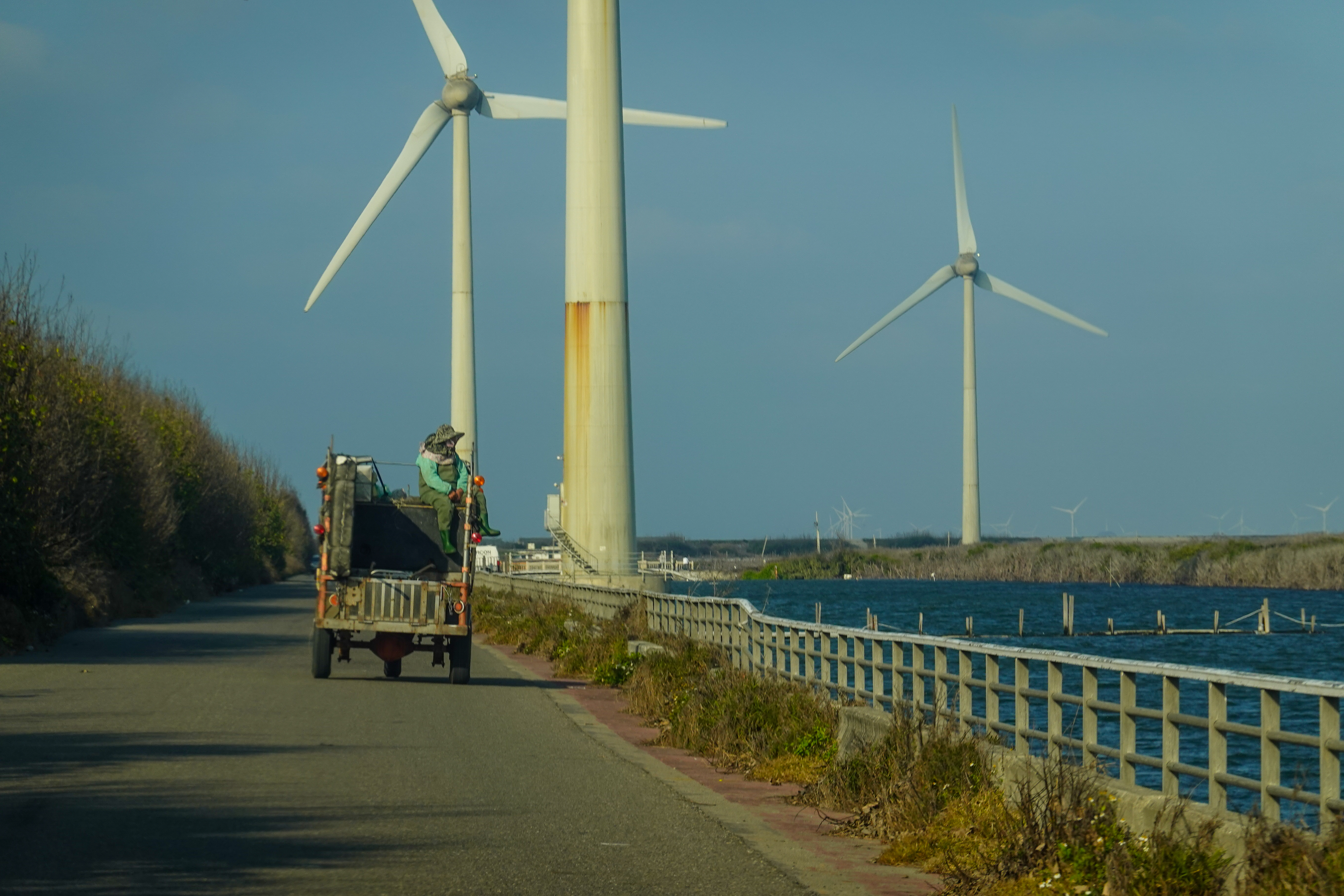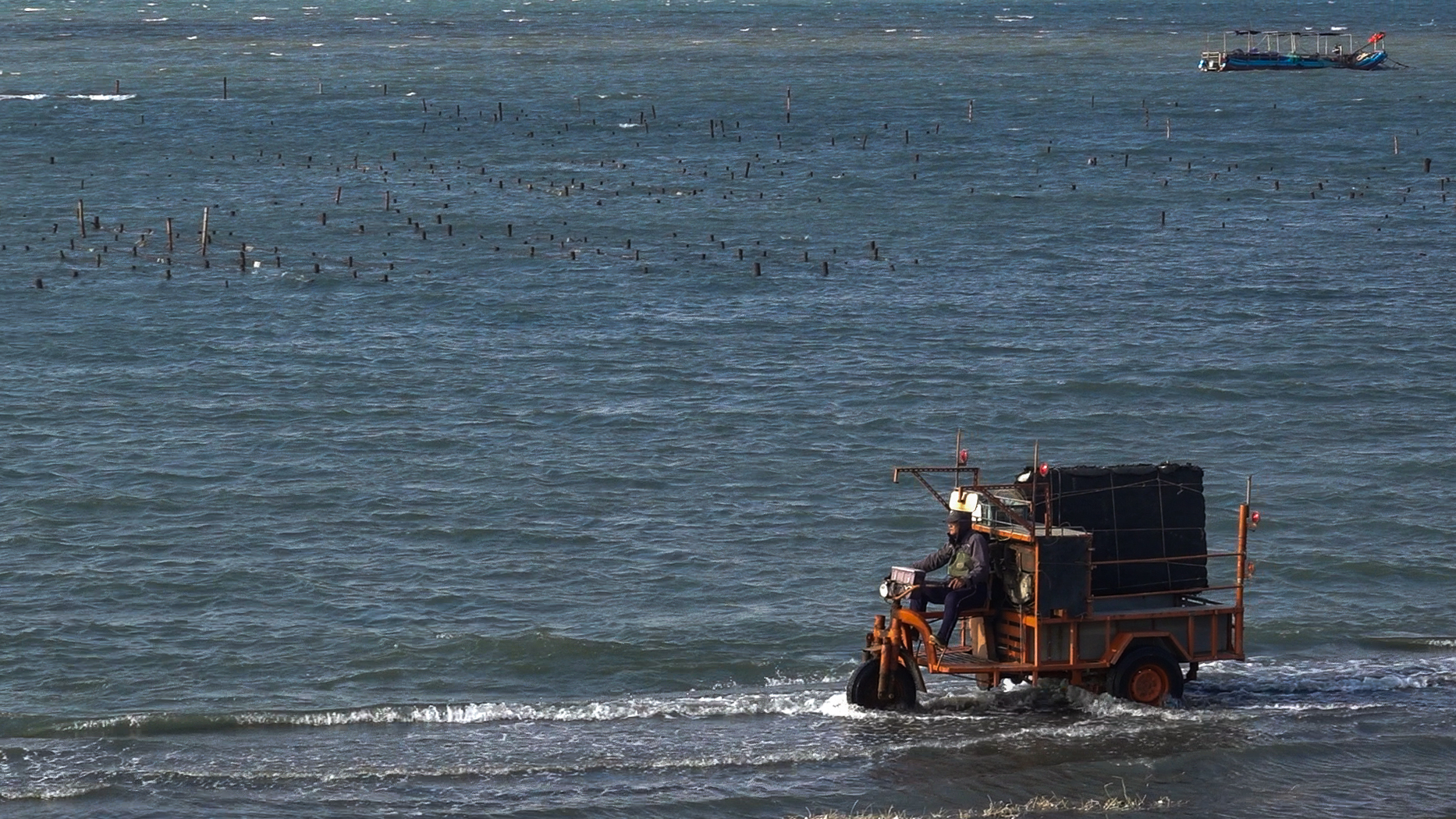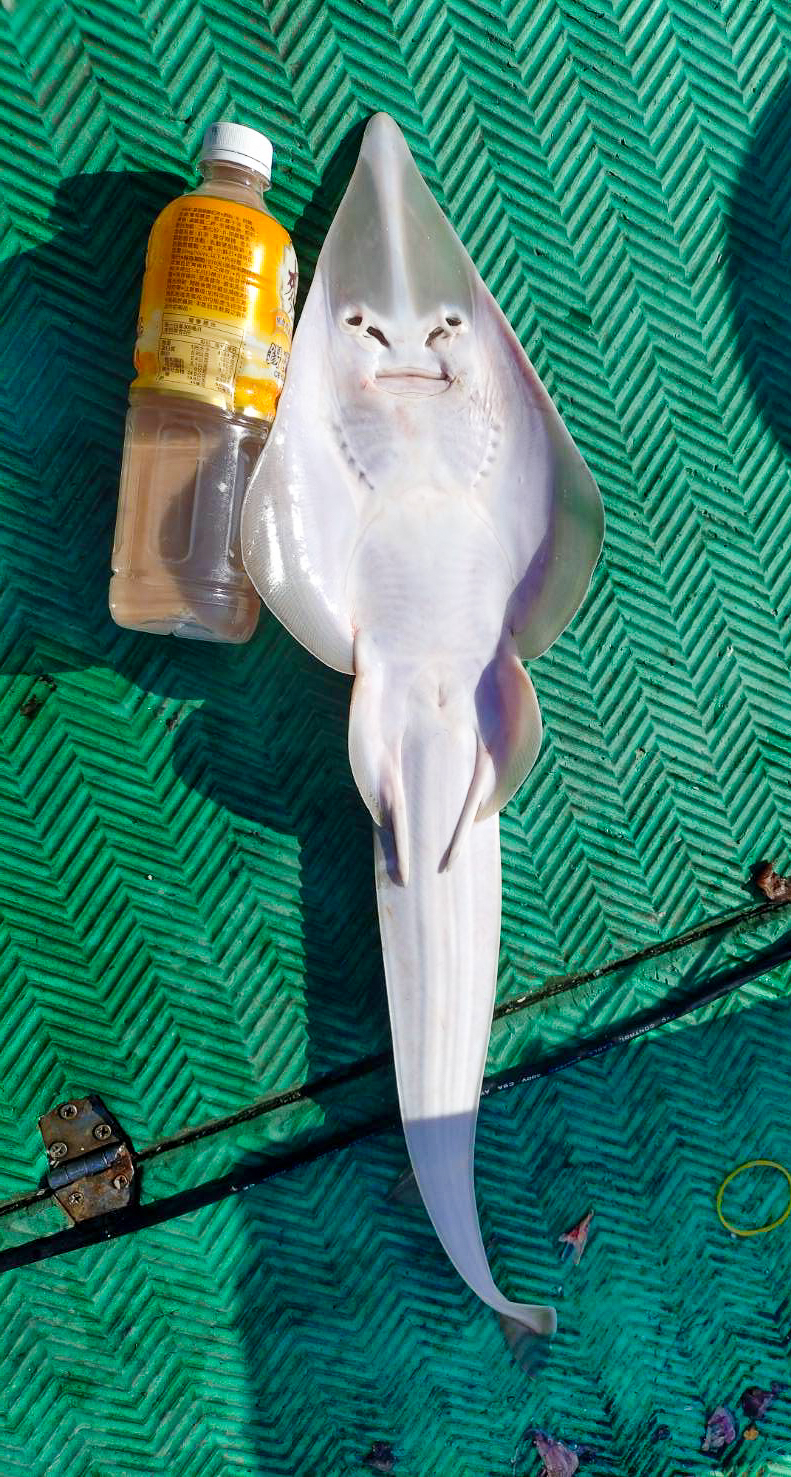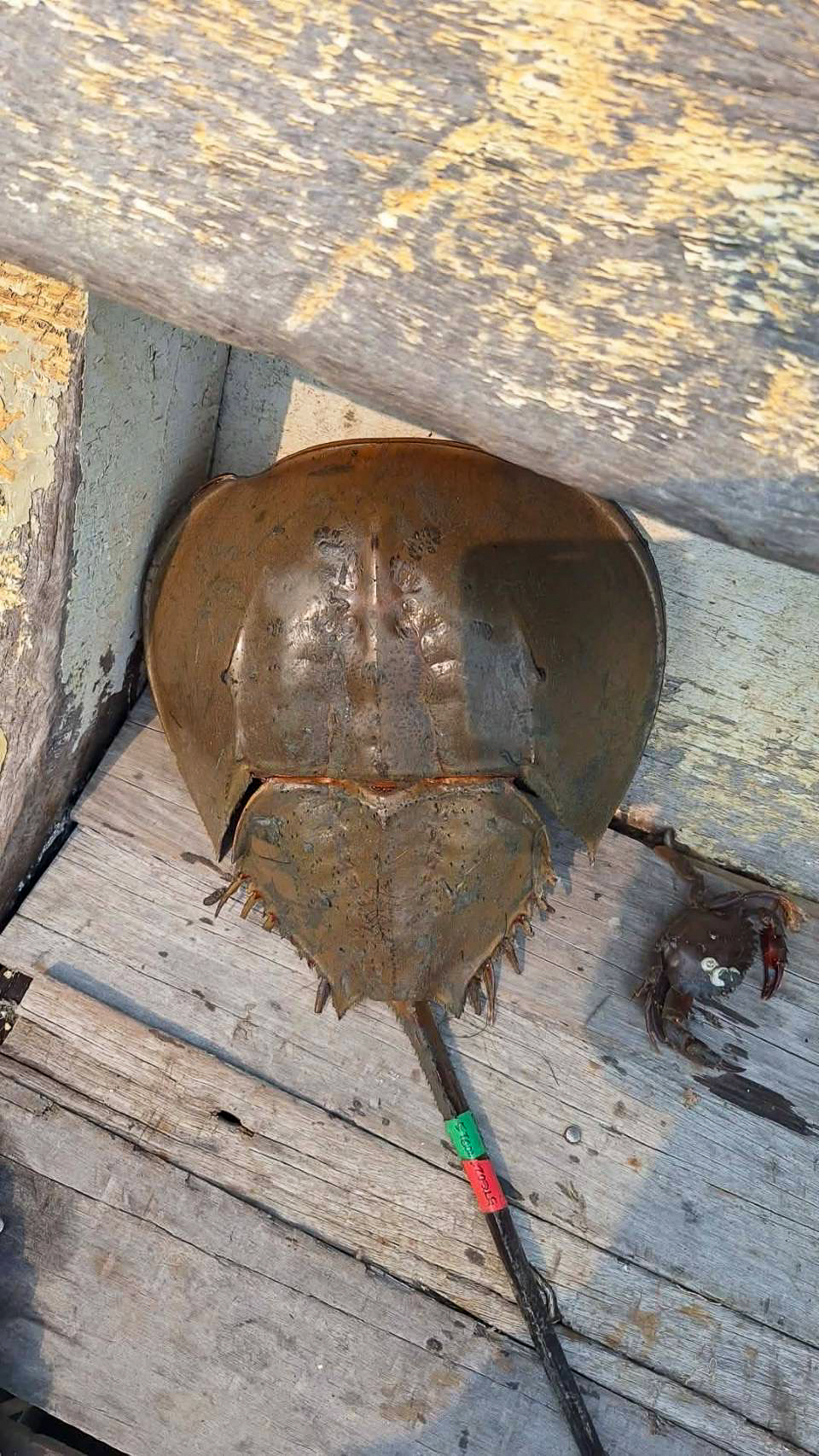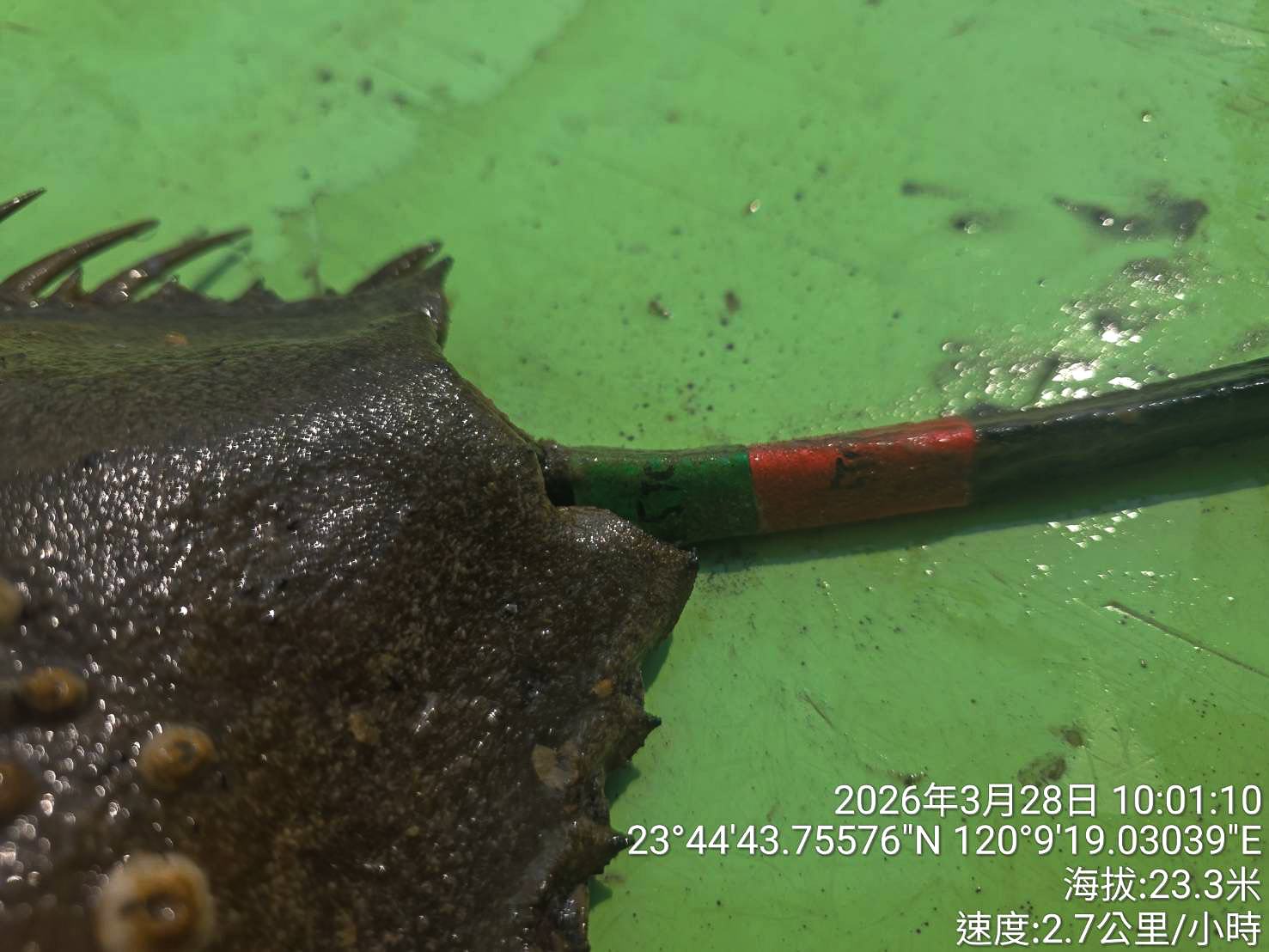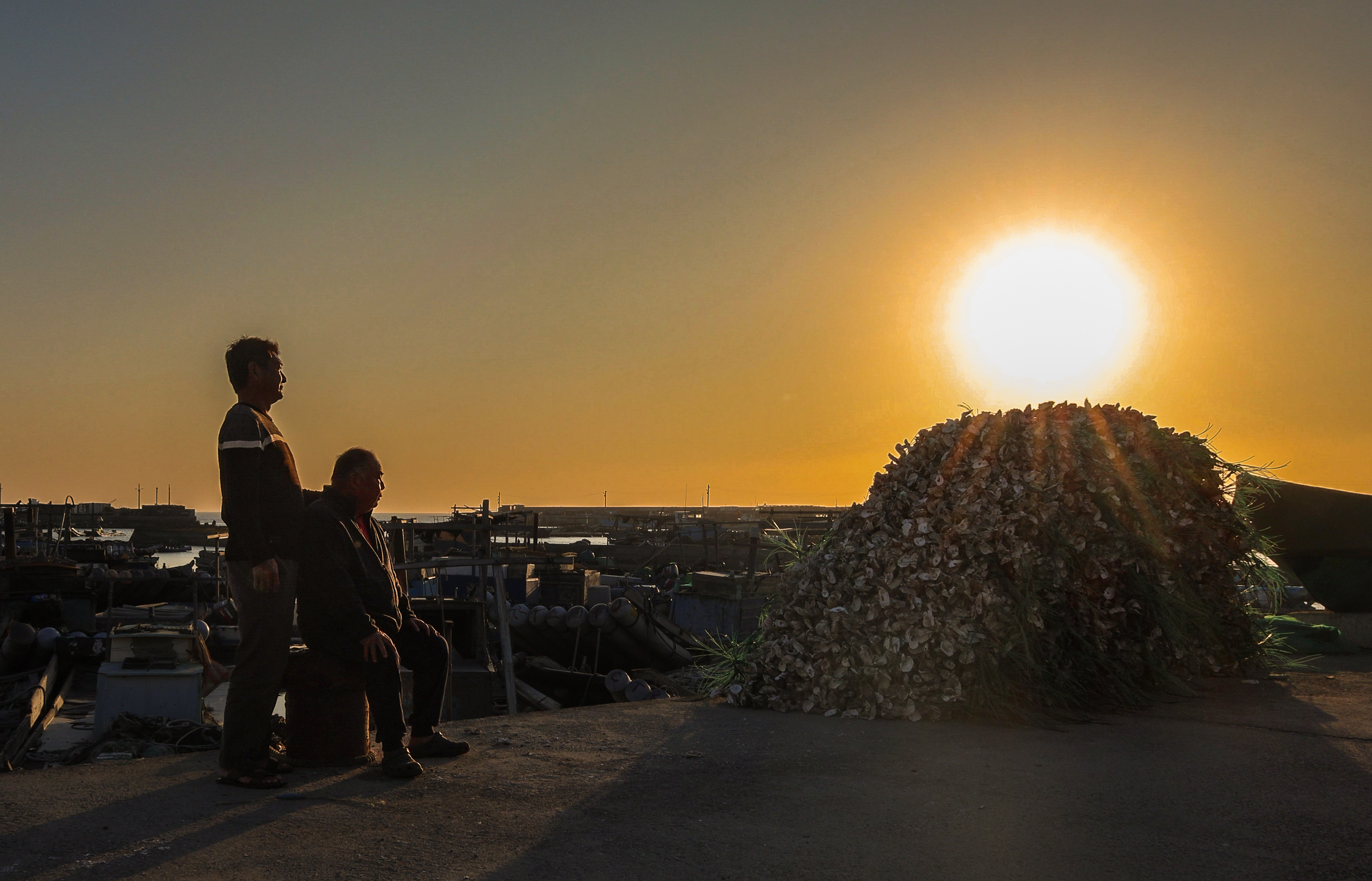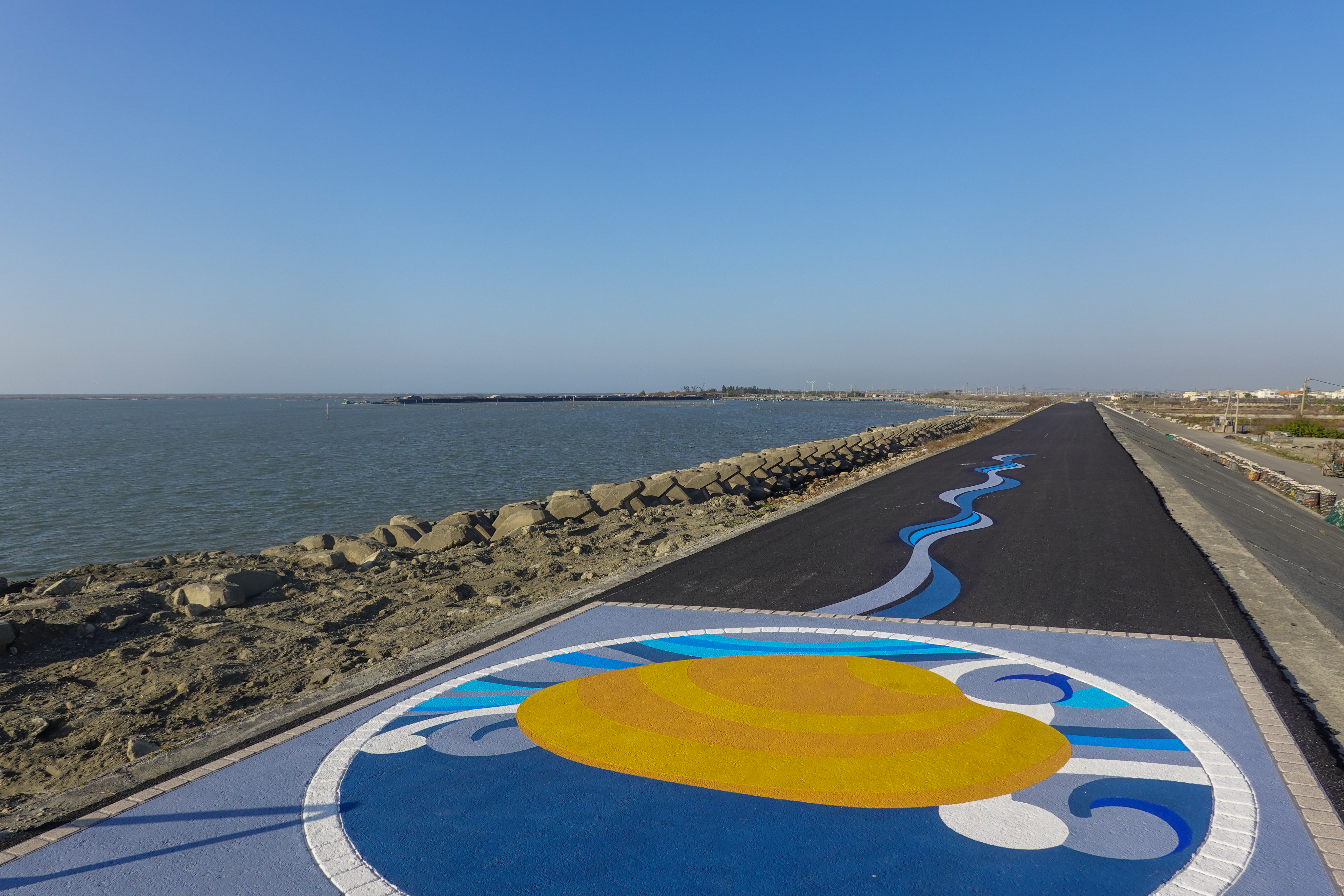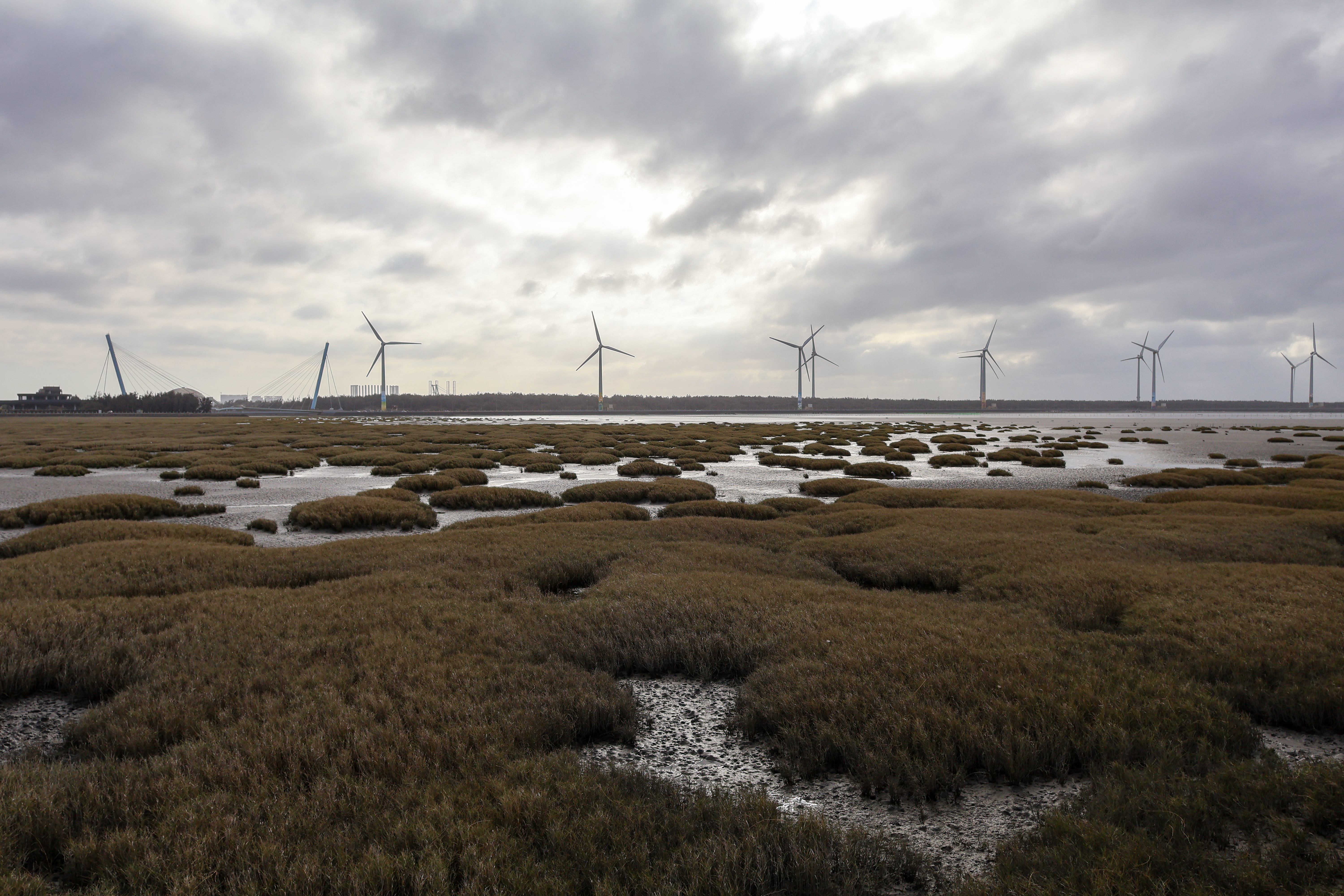
Before the wind farms, Taiwan's western coast was already a working world: boats leaving before dawn, fishermen reading tide and weather by habit, families organized around the uncertainty of the sea. This was not an empty stretch of water waiting to be used. It was a coast already known, worked, and lived in.
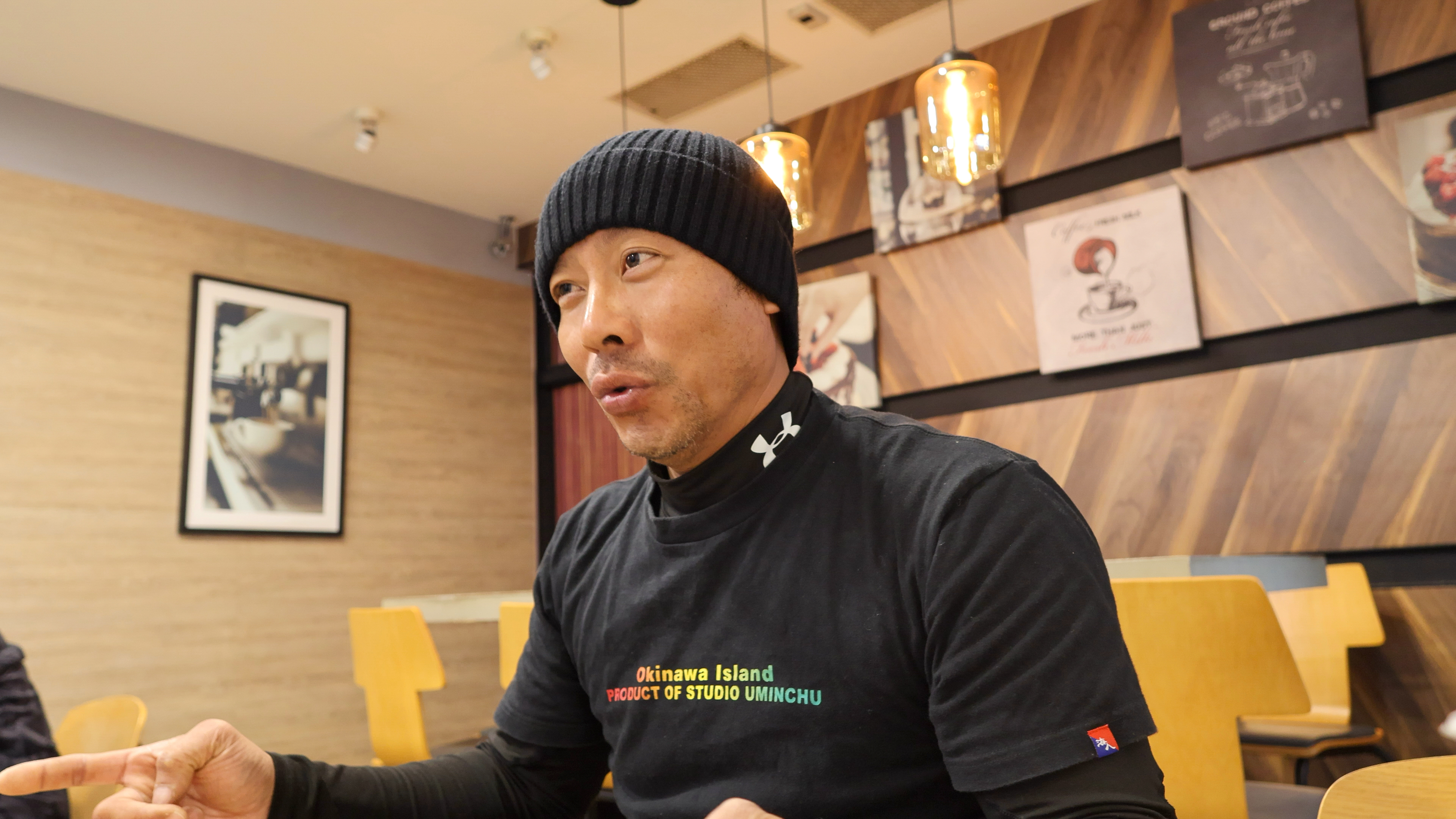
Ping-Shun Li, Chairman of the Yunlin County Offshore Fishing Boat Association, did not come to the sea because he had no other options. He tried almost everything else first. His parents were bakers, and he had held a pastry license since he was young. He spent two years making cakes in Sydney, then moved through Manila, Myanmar, Fiji, and mainland China, where he worked construction, drove an excavator, and managed factory employees. Nothing fit. When he returned to Yunlin County, he found one of his family's boats sitting unused and, on an impulse he still cannot fully explain, took it out to sea despite knowing almost nothing about fishing.
The beginning was brutal. For three months he was so seasick he had to stop the boat mid-route to vomit before continuing on. For three years he lost everything he had earned abroad, along with the money his father lent him. His wife urged him to stop. The work was expensive, dangerous, and uncertain. He promised her he would try for only three years. If it still did not work, he would quit.
She has now granted him that three-year promise seven times. More than twenty years later, he is still at sea. What kept him there was not stability or profit, but a feeling he had not found anywhere else.
For Li, the sea offered something no factory or office ever had. It was hard, uncertain, and dangerous, but it was also his. Its rhythms were set not by a boss or a clock, but by tide, weather, judgment, and sheer will.
But not everyone on this coast came to the sea by choice.
Li is in his early fifties and, by local standards, still relatively junior. Around him are men who have spent forty and fifty years on the water, some of whom began as children on their fathers' boats, learning to read current and weather before they were old enough for school. In neighboring Changhua County, Wu-Quan Zhang, a gillnet and longline fisherman, has lived by the sea his whole life. When he was old enough to work, the coast was simply where he worked.
For many fishermen along this coast, the sea is not a calling discovered later in life. It is an inheritance. You are born near the water. Your father fishes. You learn. You fish. Your children watch, and some of them will fish too. That pattern, repeated across generations, is one reason the coast cannot be understood only as a workplace. It is also a social world, a way of life passed down within families.
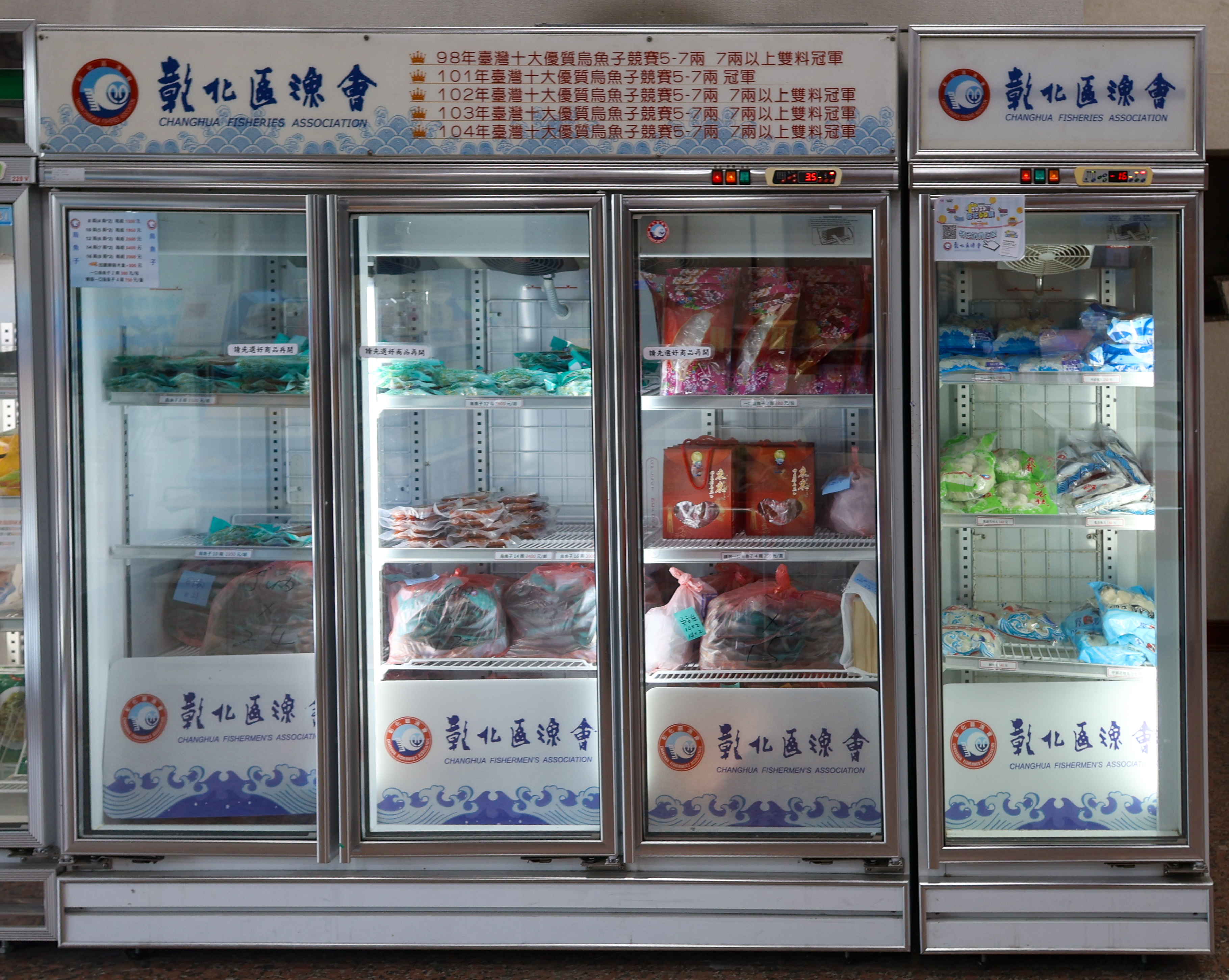
Zong-Ru Shen, Section Chief of the Promotion and Outreach Department at the Changhua District Fishermen's Association, has spent years working across six coastal townships and knows the demographic pattern well. Most of Changhua's fishermen are now in their fifties and sixties, and many followed their fathers onto boats as children and never stopped.
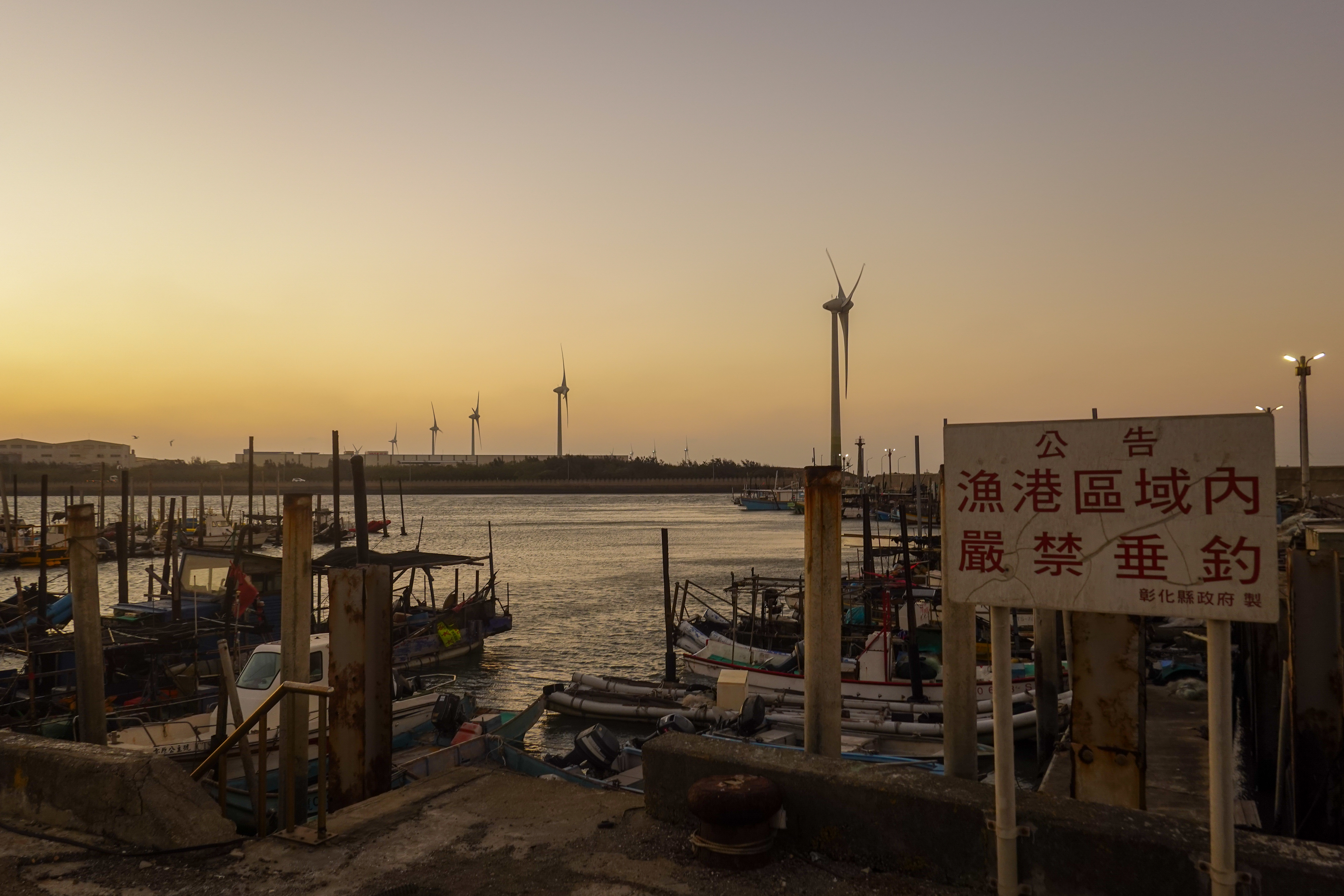
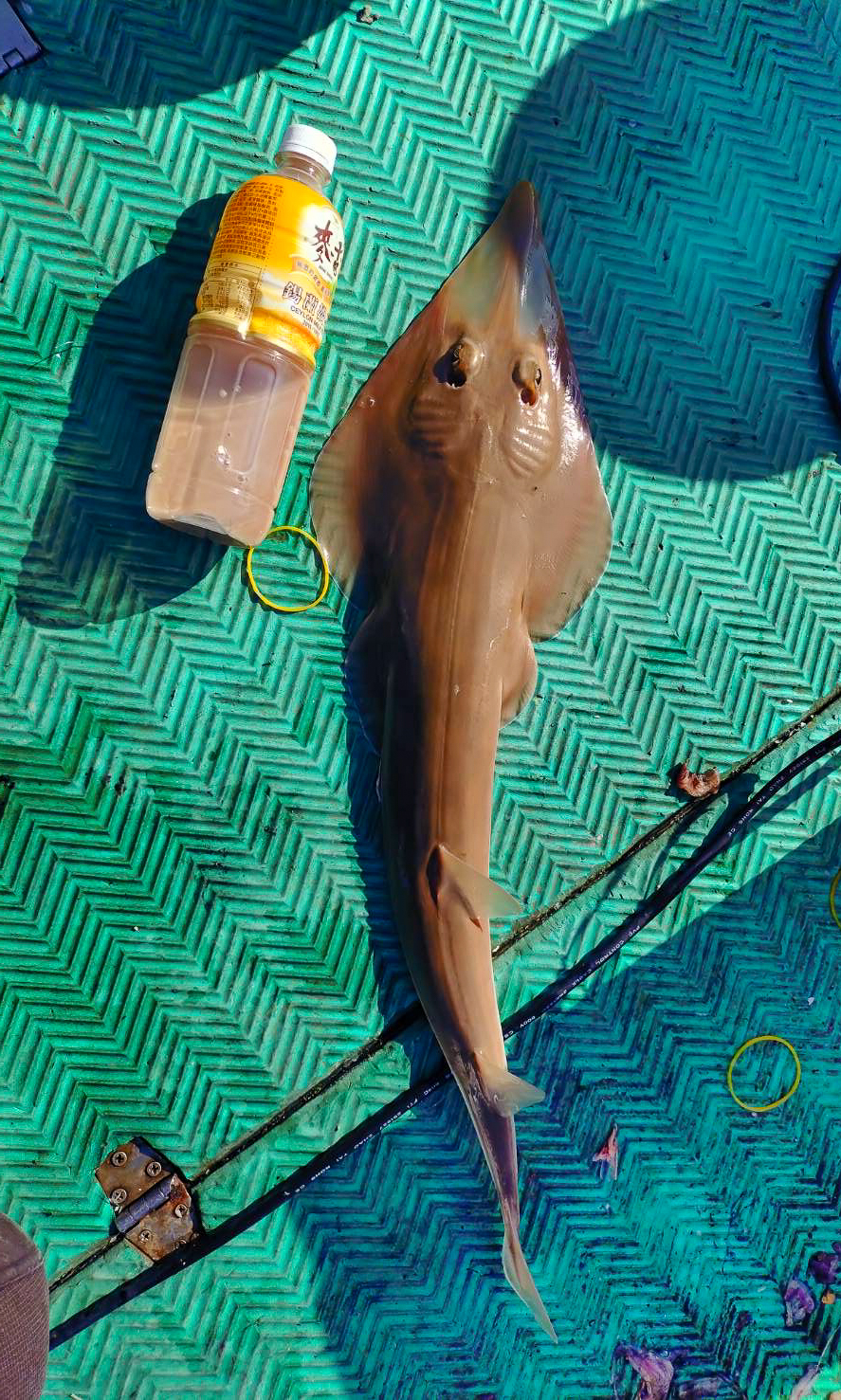
Shi-Xuan Lin, a gillnet and trap fisherman in Changhua County, has fished out of Lunweiwan Fishing Port for eleven years. He is still young for a commercial fisherman, but he speaks about the work with the intensity of someone who has worked countless hours to master their craft. The night before a trip, he checks the weather on four different services. He plans where to set the first net and where to move if the first comes up empty. He hauls his gillnets faster than anyone else in the harbor — thirty minutes instead of the usual hour or two — so the fish are still alive when they surface. He ices each one by hand, preserving the scales and keeping the color bright. At the Taichung fish market, his catch arrives looking different from everyone else's, and buyers bid accordingly.
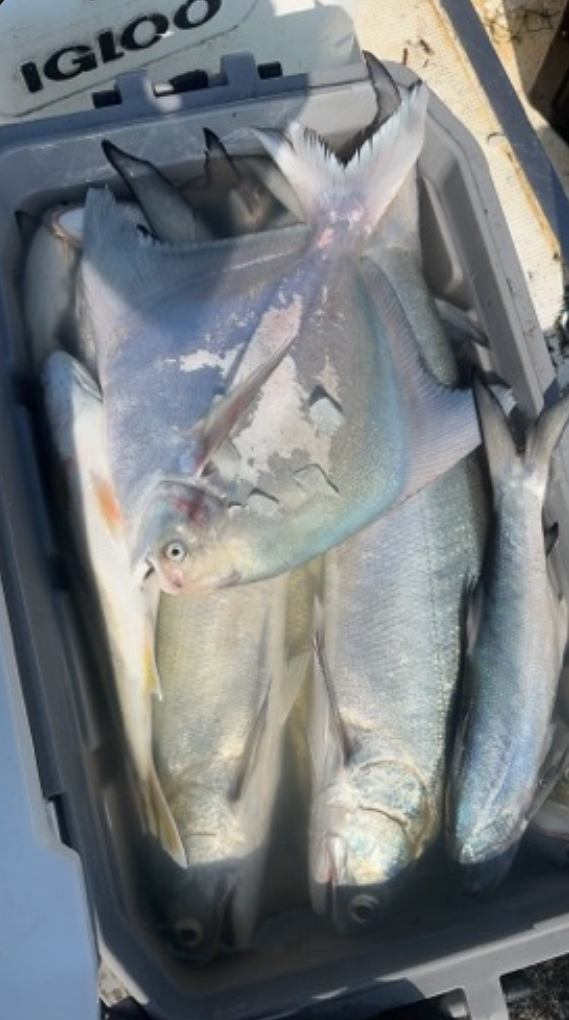
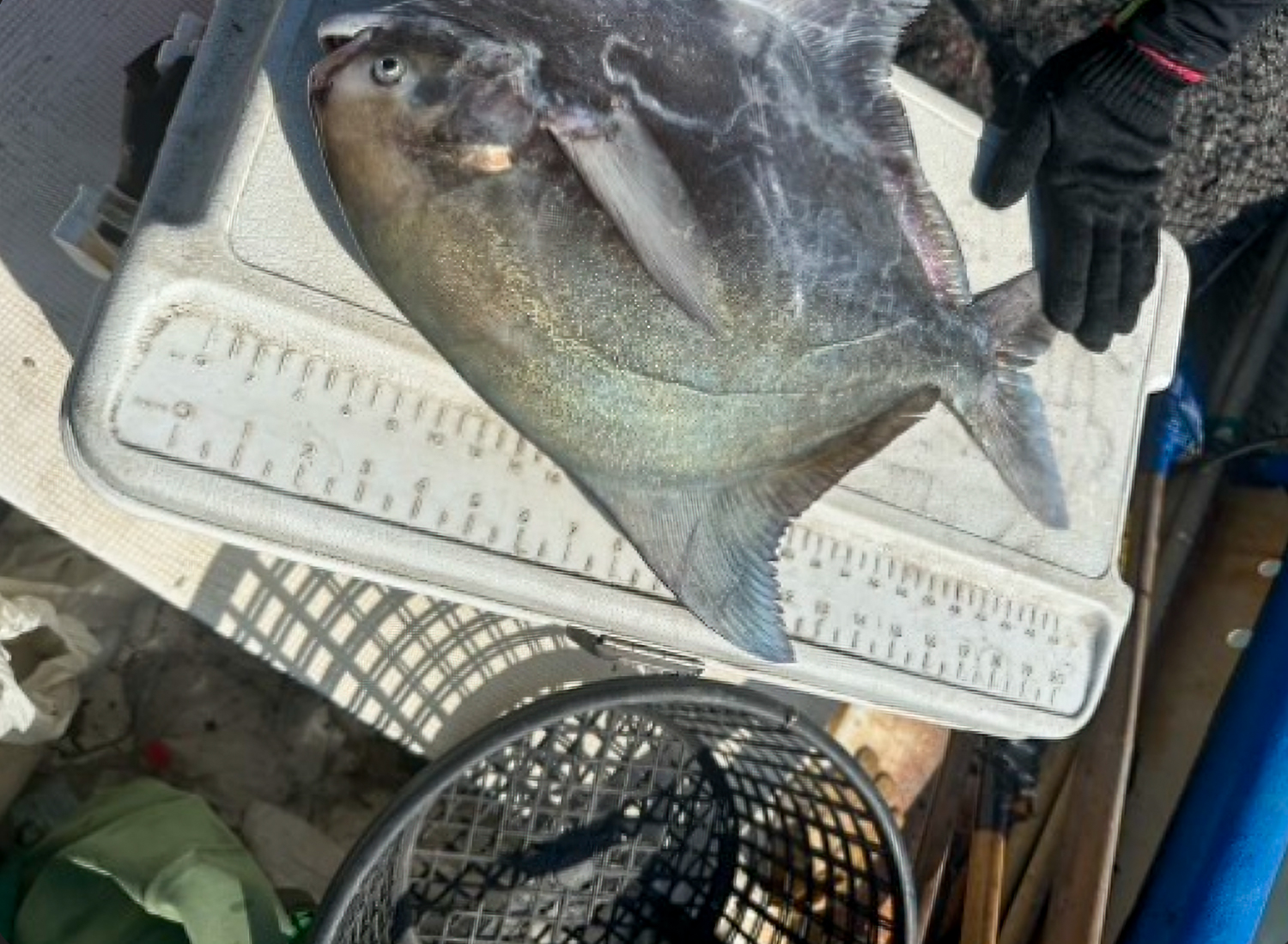
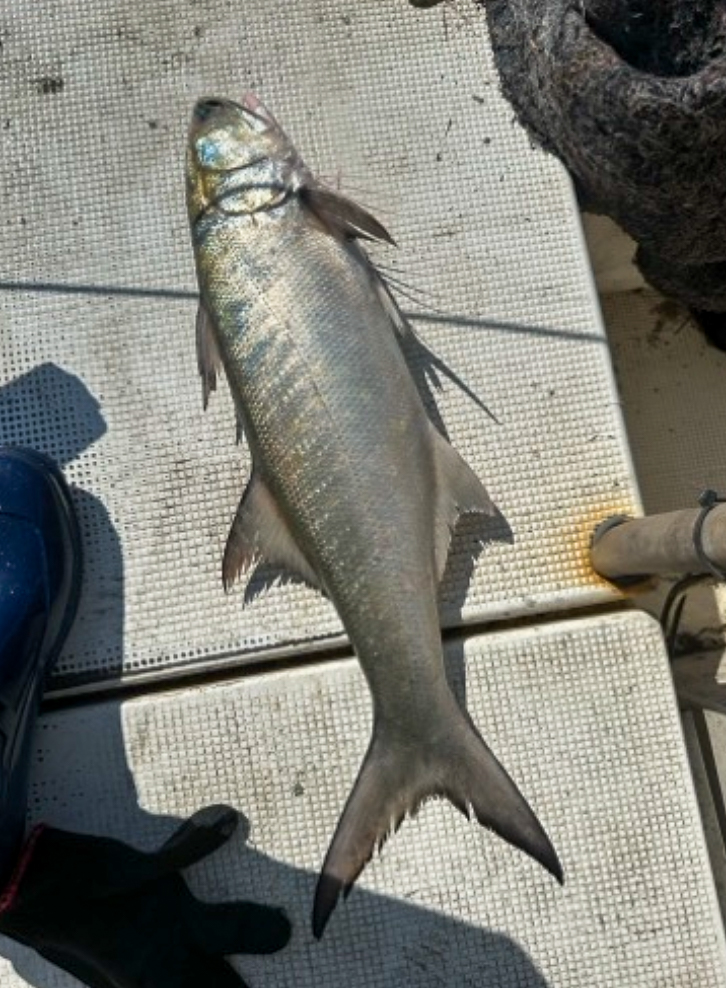
"What I like about this job is: when we set our nets, we always have a target. But you never know what your net will bring up. If it comes up full of fish, you're really happy. And this job lets you earn money through your own accumulated experience and hard work."
Shi-Xuan Lin, Gillnet Fisherman, Lunweiwan Fishing PortThese fishermen do not all belong to the sea in the same way. For Li, it is a calling. For Zhang, it is a generational livelihood. For Lin, it is craft, built through accumulated experience and hard work. But all three are attached to the same working coast — organized by tide, season, routes, and fishing grounds known long before they were ever drawn onto an offshore wind planning map.